
Farm & Estate
Woodland & Conservation
Managing woodland, hedgerows and habitat alongside a working farm, so the land is in better shape than we found it.
Conservation inside the farming plan
We treat habitat as part of how the estate works rather than something set aside from it.
The estate includes established woodland, tree belts, hedgerows, field margins, ponds and watercourses. Each is managed on its own cycle: thinning and replanting in the woods, laying and gapping-up hedges, and cutting margins on rotation so cover is never removed all at once.
Field margins, buffer strips and overwinter stubbles are used to support farmland birds, pollinators and small mammals, and to protect watercourses from run-off. Where it makes sense, we enter land into environmental schemes rather than farming it hard.
Public footpaths and permissive routes cross much of this land, and we maintain them so people can actually see the countryside they live beside.
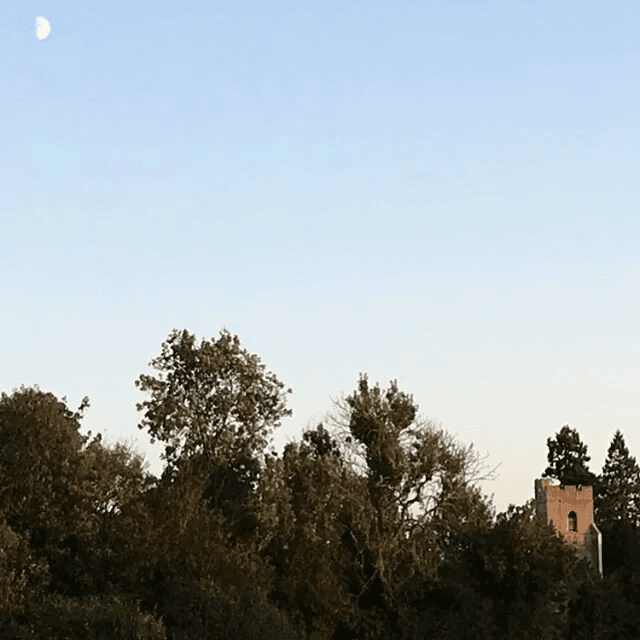
Trees and the long view
Planting decisions made now will outlast everyone involved in them, so we plant mixed native species rather than single-species blocks, and we plant for structure as well as canopy.
Older trees and standing deadwood are retained wherever they are safe to leave, because they carry most of the value for invertebrates, bats and birds.
Conservation and access enquiries
For questions about woodland, footpaths or environmental schemes, contact the estate office.